How to Paint a Stucco Home in Orlando, FL. The Right Way
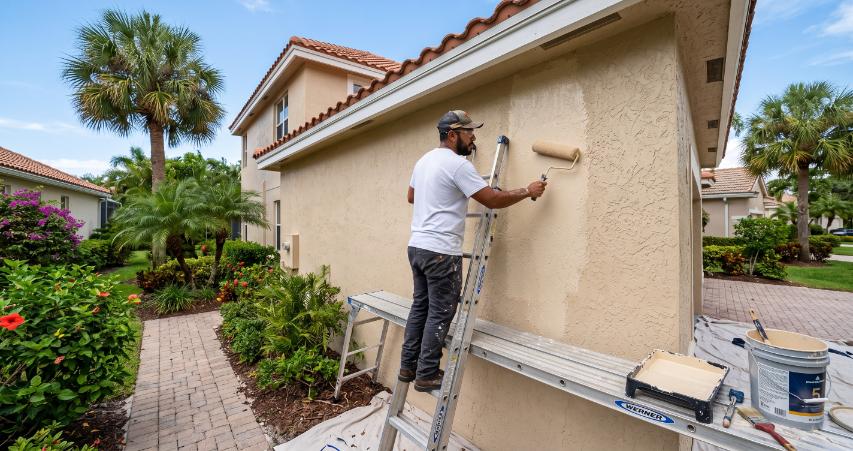
Most homes in the Orlando area are stucco construction. If you have lived here for any length of time, you know what the exterior of a typical Central Florida home looks like — that textured cement-like surface that covers the vast majority of houses built here over the past five decades. What many Orlando homeowners do not know is that painting stucco is meaningfully different from painting wood siding, fiber cement or brick. Stucco has specific requirements at every stage, from crack assessment and repair to product selection and application timing. Done correctly, a stucco paint job in Florida lasts 7 to 15 years. Done incorrectly, it fails within 2 to 3 years. This guide covers the complete process for painting a stucco home in Orlando the right way — based on 37 years of painting stucco homes throughout Central Florida. Why Stucco Is Different From Other Exterior Surfaces Stucco is a cement-based plaster applied in layers over a wire mesh (lath) attached to the home’s framing. Unlike wood siding or fiber cement panels, stucco is porous — it absorbs moisture, expands and contracts with temperature changes and cracks over time as the substrate beneath it moves. In Florida’s climate, these characteristics are amplified. Orlando’s heat causes the stucco to expand during the day and contract at night. Heavy summer rainfall drives water into any crack or gap. Year-round humidity keeps moisture levels elevated in the material. These conditions create specific challenges that must be addressed before any paint is applied. The consequences of painting stucco incorrectly in Florida include: All of these problems are preventable with the right process and materials. Step 1: Assess the Stucco Condition Before Anything Else Before pressure washing, before buying paint, before anything else, walk the entire exterior of your home and assess the condition of the stucco. This is the most important step and the one most often skipped. What to Look For Document every issue you find before starting work. The condition of the stucco determines the repair scope, the products needed and the total cost of the project. Step 2 — Pressure Wash the Entire Exterior Once you have assessed the stucco condition, the next step is a thorough pressure wash of the entire exterior. This is not optional, it is essential for paint adhesion. For stucco surfaces, pressure washing removes: Pressure wash stucco at 1,500 to 2,500 PSI — lower than what you would use on concrete. Stucco is softer than concrete and can be damaged by excessive pressure. Use a fan-tip nozzle at 25 to 40 degrees to distribute the force. Keep the nozzle moving, do not focus high pressure on a single spot. For mold and algae, apply a diluted bleach solution or professional mildewcide before pressure washing and allow it to dwell for 10 to 15 minutes before rinsing. This kills biological growth at the root rather than just removing the surface layer. After pressure washing, allow the stucco to dry completely, typically 24 to 48 hours in Orlando’s climate before any repair or painting work begins. Painting wet or damp stucco traps moisture in the wall and causes adhesion failure and mold growth behind the paint film. See our pressure washing services in Orlando if you need professional pressure washing before your painting project. Step 3: Repair All Cracks and Damaged Areas This is the step that separates a paint job that lasts from one that fails. Every crack in the stucco must be addressed before any primer or paint is applied. Painting over stucco cracks without repairing them does not hide them permanently — the cracks reappear through the new paint within months as the stucco continues to move. Hairline Cracks (Under 1/16 Inch) Hairline cracks are the most common type in Florida stucco and are best filled with a high-quality elastomeric caulk or elastomeric crack filler. Elastomeric products remain flexible after curing, allowing them to move with the stucco rather than re-cracking. Application process for hairline cracks: Larger Cracks and Damaged Areas Cracks wider than 1/16 inch, areas of hollow stucco or sections where the stucco has separated from the substrate require more substantial repair. The damaged stucco must be removed back to solid material and replaced with new stucco patching compound. For DIY repairs: For significant stucco damage covering large areas or involving structural cracks, professional stucco repair is the right call. Poorly executed stucco patches fail faster than the original surface and create ongoing problems. Addressing Efflorescence If you found white mineral deposits on the stucco, these must be treated before painting. Efflorescence indicates moisture migrating through the stucco from inside the wall. Often from poor drainage, leaking gutters or moisture infiltrating from above. First, address the moisture source. Painting over efflorescence without fixing the cause will result in the deposits pushing back through the new paint within months. Once the moisture source is addressed, remove efflorescence with a stiff brush and a diluted muriatic acid solution (10 parts water to 1 part acid), rinse thoroughly and allow to dry completely before priming. Step 4: Choose the Right Paint for Florida Stucco Paint selection is where many Orlando homeowners make the most expensive mistake. Standard exterior latex paint is not the best choice for stucco in Florida’s climate. Here is what to use: Option A: Elastomeric Paint or Coating (Best for Florida Stucco) Elastomeric coatings are rubber-based products applied at significantly higher thickness than standard paint, typically 10 to 20 mils compared to 1 to 2 mils for standard paint. This thickness gives them properties that standard paint cannot provide: Recommended elastomeric products for Florida stucco: Sherwin-Williams Conflex XL, Sherwin-Williams Loxon XP, Parex USA elastomeric or similar products from major manufacturers. Apply with a thick-nap roller (3/4 inch or 1 inch) to work the material into the texture. Option B: Premium 100% Acrylic Exterior Paint If you are not using an elastomeric coating, use a premium 100% acrylic exterior paint rated for masonry surfaces. Products like Sherwin-Williams Duration Exterior, Sherwin-Williams Emerald