
Can You Paint Over a Water Stain? What to Do First in Your Orlando Home
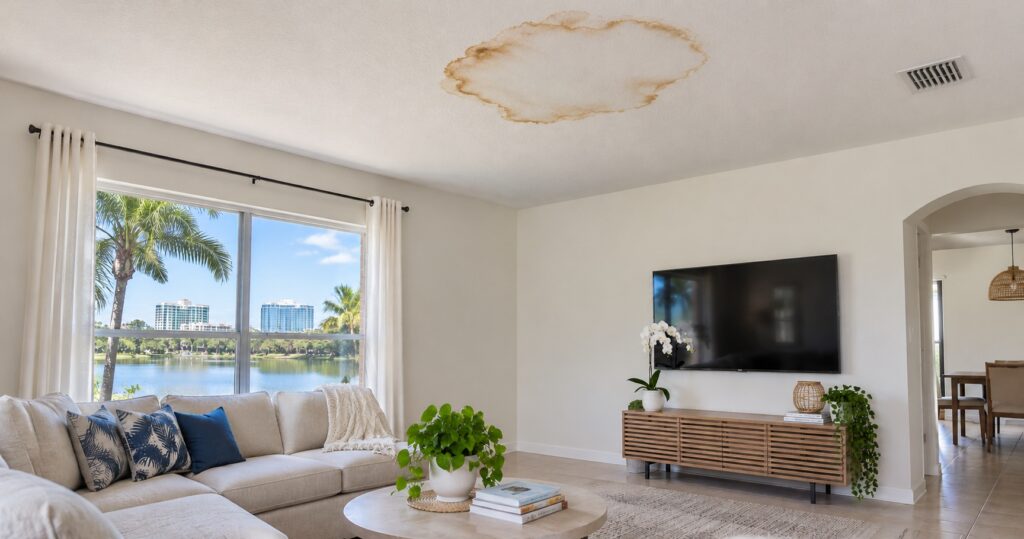
A brown stain appears on your ceiling. The quick fix feels obvious. Grab a roller and cover it. Sometimes that works. Often it does not. The stain is only a mark. The real issue is the water that made it. If the leak is still active or the drywall is still wet the stain will come back through fresh paint within weeks. Meanwhile the damage keeps growing where you cannot see it. This guide helps you decide what to do. We dry out wet Orlando homes and we repaint them. We have done both since 1989. So we see what happens when people paint too early and what it takes to get it right. The short answer Yes you can paint over a water stain. But only when all three of these are true: The leak is fixed and no longer active.The wall or ceiling is dry all the way through.There is no mold on or behind the surface. When all three are true use a stain blocking primer and then paint. If even one is not true the paint only hides the problem for a while. Why Water Stains Bleed Through Regular Paint A water stain is more than moisture. As water moves through a ceiling it picks up tannins from wood framing and dirt from insulation. It can also carry rust and minerals. When the water dries those materials stay behind as the brown or yellow ring you see. Most wall and ceiling paint is water based. When fresh paint goes on top the water in the paint can pull those stain materials back to the surface. That is why a stain can show through the first coat and the second. Humid weather makes it worse. An old stain that looked gone can wake up during a damp Orlando summer. Step 1: Find Out If the Leak Is Still Active Start with a pencil test. Trace the edge of the stain with a pencil and write today’s date beside it. Check again after the next heavy rain and after a few days of normal AC use. If the stain grows or the edge gets darker then water is still coming in. Then look above the stain. These are the usual sources in Orlando homes: If water is dripping right now turn off power to any light fixture near the wet area. Water and electricity do not mix. If you cannot stop the water our emergency water removal team can respond quickly. Step 2: Make Sure the Material Is Really Dry A stain that feels dry can still hold water inside. Drywall and insulation keep moisture for a long time. In humid Orlando air they dry slowly. Paint over damp material traps the moisture and invites mold. Professionals use a moisture meter. They compare the wet area to an unaffected wall in the same room. The area is dry when the readings match. If you do not have a meter look for these signs of trapped moisture: Proper drying uses air movers and dehumidifiers. It often takes several days. Our article on how long water damage restoration takes explains what that timeline looks like. Step 3: Check for Mold Before You Paint Mold can start growing within 24 to 48 hours in a wet area. Orlando’s warm air makes it easier. If the stain has been there for weeks or months look closely before you do anything else. Watch for these signs: Do not paint over mold. Primer and paint do not kill it. It keeps growing behind the new coat. A common guideline says a small surface patch under about 10 square feet may be manageable for a homeowner. After a water event we still suggest an inspection first because hidden growth is common. Read more in our guide on whether water damage always leads to mold. Step 4: Decide Whether the Drywall Can Stay Press gently near the edge of the stain. Firm and flat drywall can usually stay. Soft or crumbling or bulging drywall is saturated and has to come out. A sagging ceiling can hold a pocket of water and drop without warning. Keep people out from under it and call a professional. Do not try to drain it yourself. What Your Stain Is Telling You What you see What it usually means What to do Light tan patch. Dry and firm. No smell. The pencil edge has not moved. An old leak that stopped Clean it then prime and paint Brown ring with a darker edge that grows after rain An active or repeating leak Find and fix the source. Then dry the area. Soft or sagging drywall. Bubbling paint. Saturated material Cut out and replace the damaged part. Call a professional. Black or green spots. Musty smell. Mold growth Stop. Get it assessed before any painting. Stain near an AC vent or air handler A condensate drain problem Have the drain line cleared and checked Stains in several rooms after a storm Roof or wall water intrusion Document everything. Call your insurer and a restoration company. Stain came back after painting Moisture is still there or no stain blocker was used Recheck moisture. Redo with a stain blocking primer. How to Paint Over a Water Stain the Right Way Once the leak is fixed and the area is dry and clean this is the process we follow: Which Primer Should You Use? Primer type Best for Watch out for Water based stain blocker Light or old stains Heavy brown stains may bleed through Oil based stain blocker Medium to heavy stains Strong odor and slow drying Shellac based stain blocker The worst stains and smoke or odor marks Very strong fumes. Needs good ventilation. Paint and primer in one Not for stains It does not stop a stain from showing through Follow the label on whatever you choose. Some stain blockers need a topcoat within a set time. Why the Stain Keeps Coming Back Why Water Stains Are So Common in Orlando