What to Do in the First 60 Minutes After Water Damage in Orlando
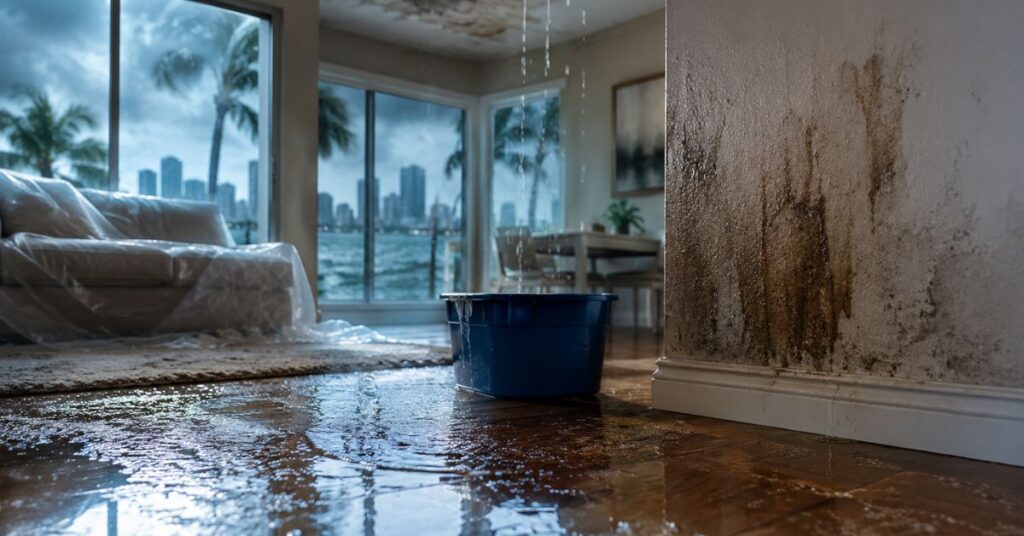
Water damage can be overwhelming. One moment everything seems normal. Next, you see water on the floor, dripping from the ceiling or soaking into your walls. If this happens in your home, the first hour is the most important. What you do during those first 60 minutes can make a big difference. Quick action can help reduce repair costs, protect your belongings and prevent mold from growing. I’m Philip White, owner of Philip White Painting and Restoration LLC. I have been helping Orlando homeowners recover from water damage since 1989. Over the years, I have seen homeowners save thousands of dollars simply by acting quickly and taking the right steps. In this guide, I will walk you through exactly what to do in the first 60 minutes after water damage so you can protect your home and make the recovery process much easier. What Should You Do in the First 60 Minutes After Water Damage? If your home has water damage, follow these steps right away: These simple steps can help limit damage, reduce the risk of mold and make your insurance claim easier to process. Step 1: Stop the Water Source Immediately The first thing you should do is stop more water from entering your home. The longer water continues to flow, the more damage it can cause. If a pipe has burst, turn off your home’s main water valve. If your air conditioner is leaking, shut off the AC system. If a toilet or sink is overflowing, stop the water if you can. In many Orlando homes, clogged AC condensate lines are one of the most common causes of water damage. If you are unable to stop the water, call a plumber right away. Step 2: Turn Off Electricity If It Is Safe Water and electricity are a dangerous combination. If water is near outlets, light fixtures or appliances, turn off the power to the affected area if you can do so safely. Do not step into standing water to reach the breaker panel. If you are unsure, leave the area and call an electrician or restoration professional. Your safety should always come first. Step 3: Protect Your Family Keep children and pets away from the damaged area. Wet floors can be slippery and dangerous. Water can also weaken ceilings and walls. If you notice a sagging ceiling, cracking drywall or water dripping from above, leave the room immediately. In some cases, contaminated water may contain harmful bacteria. If you are not sure whether the area is safe, wait for a professional to inspect it. Step 4: Move Furniture and Important Items Move valuable items to a dry area as soon as possible. Focus on items that can be damaged quickly by water. These include: If possible, place aluminum foil or small blocks under furniture legs to prevent staining and swelling. The sooner you move these items, the better chance you have of saving them. Step 5: Take Photos and Videos for Insurance Before you begin cleaning up, document the damage. Take clear photos and videos of: This information can be very helpful when filing an insurance claim. In my experience, homeowners who document everything from the start usually have a smoother claims process. Step 6: Contact Your Insurance Company Call your insurance company as soon as possible. Explain what happened and which areas of your home are affected. Ask these important questions: Be sure to ask for your claim number and write it down. Keeping detailed notes can make the process much easier. Step 7: Remove Standing Water If It Is Safe The faster you remove standing water, the less damage your home may suffer. For small areas, you can use: Remove wet rugs and open cabinet doors to help air circulate. If the weather is dry, you may open windows to improve ventilation. However, household fans alone are often not enough to dry hidden moisture inside walls and floors. Step 8: Call a Professional Water Damage Restoration Company Even when surfaces appear dry, moisture may still be trapped behind walls, under floors, and inside cabinets. A professional restoration company uses specialized equipment to fully dry your home. This typically includes: Professional drying helps prevent mold growth and reduces the risk of long-term damage. At Philip White Painting and Restoration LLC, we have been helping Orlando homeowners recover from water damage since 1989. We know how to find hidden moisture, dry your home properly, and guide you through the insurance process. Common Mistakes to Avoid After Water Damage Over the years, I have seen many homeowners make the same mistakes after water damage. These mistakes often lead to higher repair costs, more stress, and even mold growth. 1) Waiting Too Long The biggest mistake is waiting to take action. What looks like a small leak can quickly turn into soaked drywall, damaged flooring, and mold. The sooner you act, the better your chances of limiting the damage. 2) Using Household Fans Only Fans can help dry the surface, but they cannot remove hidden moisture inside walls, ceilings, and floors. Without proper drying equipment, moisture may remain trapped and lead to mold growth. 3) Not Documenting the Damage Many homeowners begin cleaning right away but forget to take photos. This can make the insurance process more difficult. Always take pictures and videos before removing too much water or throwing anything away. 4) Throwing Items Away Too Soon Damaged items may be needed as evidence for your insurance claim. Unless there is a health risk, keep affected items until your insurance company or restoration contractor has reviewed them. Orlando-Specific Water Damage Advice Water damage can become a bigger problem in Orlando because of our warm and humid climate. 1) High Humidity Speeds Mold Growth Florida humidity makes it harder for wet materials to dry. Even a small leak can lead to mold if moisture is not removed quickly. 2) AC Leaks Are Very Common One of the most common causes of water damage in Orlando homes is a