



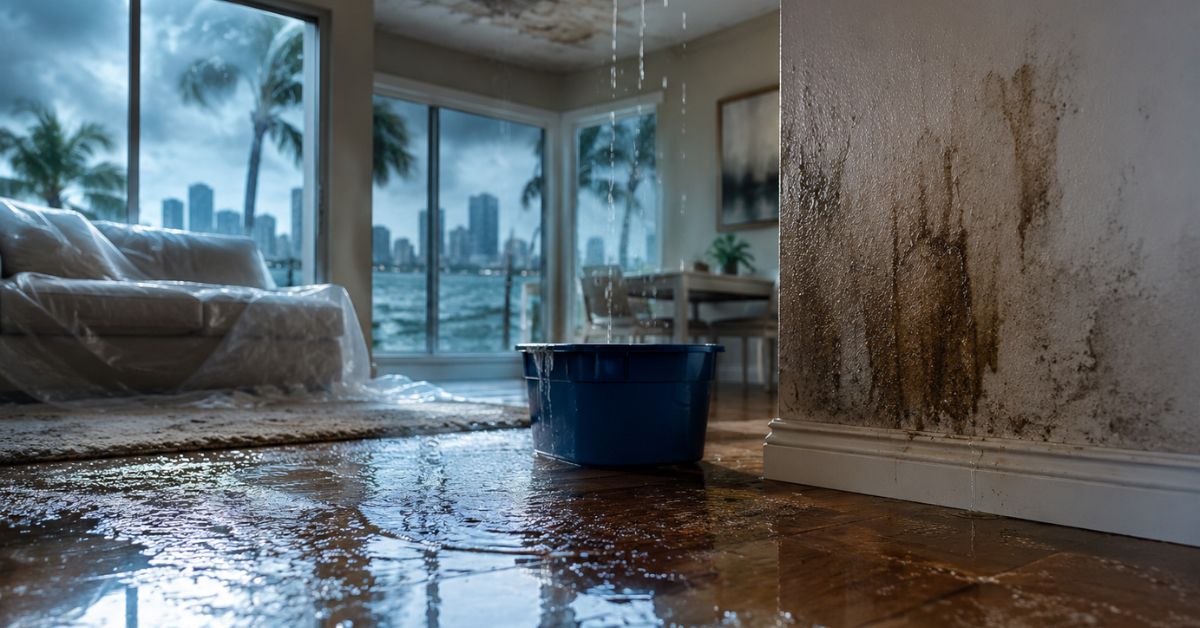
Water damage can be overwhelming.
One moment everything seems normal. Next, you see water on the floor, dripping from the ceiling or soaking into your walls.
If this happens in your home, the first hour is the most important.
What you do during those first 60 minutes can make a big difference. Quick action can help reduce repair costs, protect your belongings and prevent mold from growing.
I’m Philip White, owner of Philip White Painting and Restoration LLC. I have been helping Orlando homeowners recover from water damage since 1989.
Over the years, I have seen homeowners save thousands of dollars simply by acting quickly and taking the right steps.
In this guide, I will walk you through exactly what to do in the first 60 minutes after water damage so you can protect your home and make the recovery process much easier.
What Should You Do in the First 60 Minutes After Water Damage?
If your home has water damage, follow these steps right away:
- Stop the water source.
- Turn off electricity if it is safe to do so.
- Move valuable items to a dry area.
- Take photos and videos of the damage.
- Call your insurance company.
- Remove standing water if it is safe.
- Contact a professional water damage restoration company.
These simple steps can help limit damage, reduce the risk of mold and make your insurance claim easier to process.
Step 1: Stop the Water Source Immediately
The first thing you should do is stop more water from entering your home.
The longer water continues to flow, the more damage it can cause.
If a pipe has burst, turn off your home’s main water valve.
If your air conditioner is leaking, shut off the AC system.
If a toilet or sink is overflowing, stop the water if you can.
In many Orlando homes, clogged AC condensate lines are one of the most common causes of water damage.
If you are unable to stop the water, call a plumber right away.
Step 2: Turn Off Electricity If It Is Safe
Water and electricity are a dangerous combination.
If water is near outlets, light fixtures or appliances, turn off the power to the affected area if you can do so safely.
Do not step into standing water to reach the breaker panel.
If you are unsure, leave the area and call an electrician or restoration professional.
Your safety should always come first.
Step 3: Protect Your Family
Keep children and pets away from the damaged area.
Wet floors can be slippery and dangerous.
Water can also weaken ceilings and walls.
If you notice a sagging ceiling, cracking drywall or water dripping from above, leave the room immediately.
In some cases, contaminated water may contain harmful bacteria.
If you are not sure whether the area is safe, wait for a professional to inspect it.
Step 4: Move Furniture and Important Items
Move valuable items to a dry area as soon as possible.
Focus on items that can be damaged quickly by water.
These include:
- Electronics
- Important documents
- Family photos
- Rugs
- Furniture
- Clothing
If possible, place aluminum foil or small blocks under furniture legs to prevent staining and swelling.
The sooner you move these items, the better chance you have of saving them.
Step 5: Take Photos and Videos for Insurance
Before you begin cleaning up, document the damage.
Take clear photos and videos of:
- Wet floors
- Damaged walls
- Water-stained ceilings
- Furniture and personal belongings
- The source of the leak
This information can be very helpful when filing an insurance claim.
In my experience, homeowners who document everything from the start usually have a smoother claims process.
Step 6: Contact Your Insurance Company
Call your insurance company as soon as possible.
Explain what happened and which areas of your home are affected.
Ask these important questions:
- Is this type of water damage covered?
- What is my deductible?
- What should I do next?
- Do I need to use a preferred contractor?
Be sure to ask for your claim number and write it down.
Keeping detailed notes can make the process much easier.
Step 7: Remove Standing Water If It Is Safe
The faster you remove standing water, the less damage your home may suffer.
For small areas, you can use:
- Towels
- Mops
- Buckets
- A wet/dry vacuum
Remove wet rugs and open cabinet doors to help air circulate.
If the weather is dry, you may open windows to improve ventilation.
However, household fans alone are often not enough to dry hidden moisture inside walls and floors.
Step 8: Call a Professional Water Damage Restoration Company
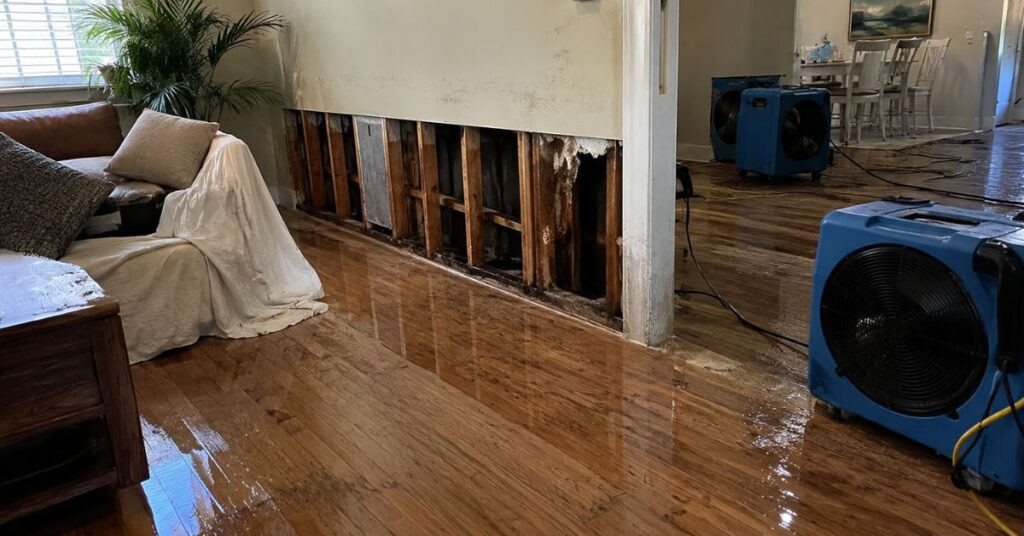
Even when surfaces appear dry, moisture may still be trapped behind walls, under floors, and inside cabinets.
A professional restoration company uses specialized equipment to fully dry your home.
This typically includes:
- Industrial air movers
- Commercial dehumidifiers
- Moisture meters
- Thermal imaging tools
Professional drying helps prevent mold growth and reduces the risk of long-term damage.
At Philip White Painting and Restoration LLC, we have been helping Orlando homeowners recover from water damage since 1989.
We know how to find hidden moisture, dry your home properly, and guide you through the insurance process.
Common Mistakes to Avoid After Water Damage
Over the years, I have seen many homeowners make the same mistakes after water damage.
These mistakes often lead to higher repair costs, more stress, and even mold growth.
1) Waiting Too Long
The biggest mistake is waiting to take action.
What looks like a small leak can quickly turn into soaked drywall, damaged flooring, and mold.
The sooner you act, the better your chances of limiting the damage.
2) Using Household Fans Only
Fans can help dry the surface, but they cannot remove hidden moisture inside walls, ceilings, and floors.
Without proper drying equipment, moisture may remain trapped and lead to mold growth.
3) Not Documenting the Damage
Many homeowners begin cleaning right away but forget to take photos.
This can make the insurance process more difficult.
Always take pictures and videos before removing too much water or throwing anything away.
4) Throwing Items Away Too Soon
Damaged items may be needed as evidence for your insurance claim.
Unless there is a health risk, keep affected items until your insurance company or restoration contractor has reviewed them.
Orlando-Specific Water Damage Advice
Water damage can become a bigger problem in Orlando because of our warm and humid climate.
1) High Humidity Speeds Mold Growth
Florida humidity makes it harder for wet materials to dry.
Even a small leak can lead to mold if moisture is not removed quickly.
2) AC Leaks Are Very Common
One of the most common causes of water damage in Orlando homes is a clogged AC condensate line.
This can cause water to overflow into ceilings, walls, and floors.
3) Summer Storms Can Worsen Water Damage
Heavy rain, thunderstorms, and hurricanes can cause roof leaks and flooding.
If water enters your home during a storm, fast action is especially important.
Signs You Need Immediate Professional Help
Some water damage situations require expert attention right away.
Call a professional restoration company if you notice any of the following:
- A sagging ceiling
- A strong musty odor
- Large areas of standing water
- Wet drywall or insulation
- Buckling hardwood floors
- Visible mold growth
- Dirty or contaminated water
These are signs that moisture may be hidden and the damage could become worse very quickly.
What to Expect During the Water Damage Restoration Process
One of the most common questions homeowners ask me is, “How long will this take?”
The answer depends on how much water entered your home and how quickly the damage was discovered.
A small leak in one room may be dried in just a few days.
A larger loss affecting multiple rooms can take longer and may require repairs after the drying process is complete.
No two projects are exactly the same, but most water damage restoration jobs follow the same four steps.
1. Emergency Response and Inspection
The first step is a detailed inspection.
We identify where the water came from, which materials were affected, and how far the moisture has spread.
In many cases, water travels behind walls, under flooring, and into areas you cannot see.
We use professional moisture meters and thermal imaging tools to locate hidden moisture and create a drying plan.
2. Water Extraction
Next, we remove all standing water.
The faster water is extracted, the less damage it can cause.
We use powerful commercial equipment to remove water from:
- Carpet
- Padding
- Hardwood floors
- Tile surfaces
- Cabinets
This step helps reduce the amount of moisture that remains in your home.
3. Structural Drying and Dehumidification
After visible water is removed, the drying process begins.
This is one of the most important steps.
Even if surfaces feel dry, moisture may still be trapped inside drywall, wood, and insulation.
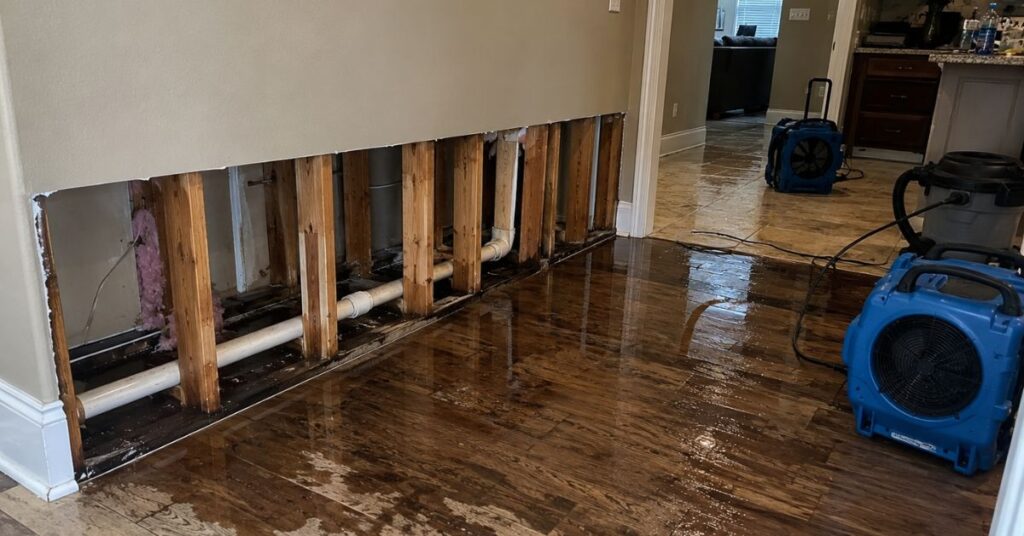
We place industrial air movers and dehumidifiers throughout the affected area to remove hidden moisture.
Each day, we monitor moisture levels to make sure your home is drying properly.
In Orlando’s humid climate, this step is especially important to prevent mold growth.
4. Repairs and Restoration
Once your home is completely dry, repairs can begin.
Depending on the extent of the damage, this may include:
- Replacing drywall
- Repairing ceilings
- Installing new flooring
- Repainting walls
- Restoring trim and cabinetry
Our goal is to return your home to its pre-loss condition, so it looks and feels like the damage never happened.
How Long Does Water Damage Restoration Usually Take?
Most water damage jobs take between 3 and 7 days for drying.
If repairs are needed, the full restoration process may take longer.
The timeline depends on:
- How much water entered the home
- Which materials were affected
- How quickly the damage was addressed
- Whether mold is present
- Insurance approval times
My Advice to Homeowners
In my experience, homeowners feel much less stressed when they understand the process.
Water damage can be overwhelming, but when you know what to expect, the recovery becomes much easier.
At Philip White Painting and Restoration LLC, we guide you through every step and keep you informed from start to finish.
Frequently Asked Questions About Water Damage in Orlando
1) How quickly should I act after water damage?
You should act immediately.
The first 60 minutes are the most important.
Quick action can help reduce repair costs, protect your belongings, and lower the risk of mold growth. Even a small leak can cause serious damage if it is left untreated.
2) Will my insurance cover water damage?
In many cases, yes.
Most homeowners insurance policies cover sudden and accidental water damage, such as:
- Burst pipes
- AC leaks
- Appliance leaks
- Roof leaks caused by storms
Coverage depends on your specific policy and the cause of the damage.
I always recommend contacting your insurance company as soon as possible and asking for a claim number.
3) How fast can mold grow in Florida?
In Florida, mold can begin growing within 24 to 48 hours.
Orlando’s warm temperatures and high humidity create the perfect environment for mold.
That is why it is so important to dry your home quickly and thoroughly.
4) Can I dry the area myself?
For a very small leak, you may be able to dry the area using towels and fans.
However, if water has soaked into drywall, flooring, or insulation, professional drying equipment is usually needed.
Hidden moisture can remain even when surfaces feel dry.
5) Should I leave wet drywall in place?
It depends on how much water the drywall absorbed and how long it stayed wet.
If drywall is soft, swollen, stained, or beginning to smell musty, it may need to be removed and replaced.
A professional inspection can determine whether the drywall can be saved.
Need Emergency Water Damage Restoration in Orlando, FL?
If your home has water damage, taking action quickly can make a big difference. The sooner the water is removed and the drying process begins, the better your chances of preventing mold, reducing repair costs, and protecting your home.
At Philip White Painting and Restoration LLC, we have been helping homeowners across Orlando and Central Florida since 1989. Our team provides 24/7 emergency water damage restoration, professional water extraction, structural drying, mold prevention, and insurance claim assistance.
As an IICRC Certified Firm and a BBB Accredited Business with an A+ Rating, we are committed to providing honest service, clear communication, and high-quality workmanship you can trust.
When you call us, we will assess the damage, explain your options, and create a plan to restore your home as quickly and safely as possible.
Call (407) 860-5846 today to request a free estimate and get expert help from a trusted Orlando water damage restoration company.
Whether you need emergency water removal in Orlando, professional drying in Winter Park, or insurance claim support anywhere in Central Florida, we are here to help you restore your home and your peace of mind.
